
How Middle East Tensions Could Affect The UK Construction Industry
12 March 2026 By Falmouth Fairfax
Escalating tensions in the Middle East are once again drawing attention to the interconnected nature of global markets. While the UK construction industry is geographically distant from the region, developments there can still influence costs, supply chains, and economic conditions in the UK.
Industry analysts suggest that the impact is likely to be indirect rather than immediate, with effects emerging primarily through global energy markets, supply chains, and wider economic pressures.
This article explores the key ways in which ongoing geopolitical tensions in the Middle East could affect the UK construction sector.
Energy Price Volatility
One of the most significant channels through which Middle East tensions affect construction is energy. The region is central to global oil and gas supply, and disruption or uncertainty can quickly drive up prices.
Construction is an energy-intensive industry. Fuel is required not only to power plant machinery and site equipment but also in the production and transportation of materials such as steel, cement and aggregates. As a result, increases in global oil and gas prices tend to feed directly into construction costs.
The UK construction sector alone consumes large volumes of diesel each year to operate equipment and machinery, highlighting how fluctuations in fuel prices can significantly affect operating costs.
When energy prices rise, contractors may face higher expenses for logistics, site operations, and manufacturing processes used to produce building materials. This can increase project budgets and potentially delay investment decisions.
Pressure On Construction Material Prices
Another potential impact is on the cost of construction materials. Many building products rely on energy-intensive manufacturing processes or petroleum-based inputs. As a result, volatility in global energy markets often translates into higher material prices.
Industry bodies have warned that a prolonged conflict in the Middle East could lead to significant increases in construction material costs over the medium term.
Materials such as concrete, steel, asphalt and plastics are particularly sensitive to changes in energy prices, as both production and transportation depend heavily on fuel. If global energy prices remain elevated, suppliers may pass these costs on to contractors and developers.
This could place additional pressure on project budgets, especially in a sector that has already experienced cost inflation in recent years.
Supply Chain Disruption
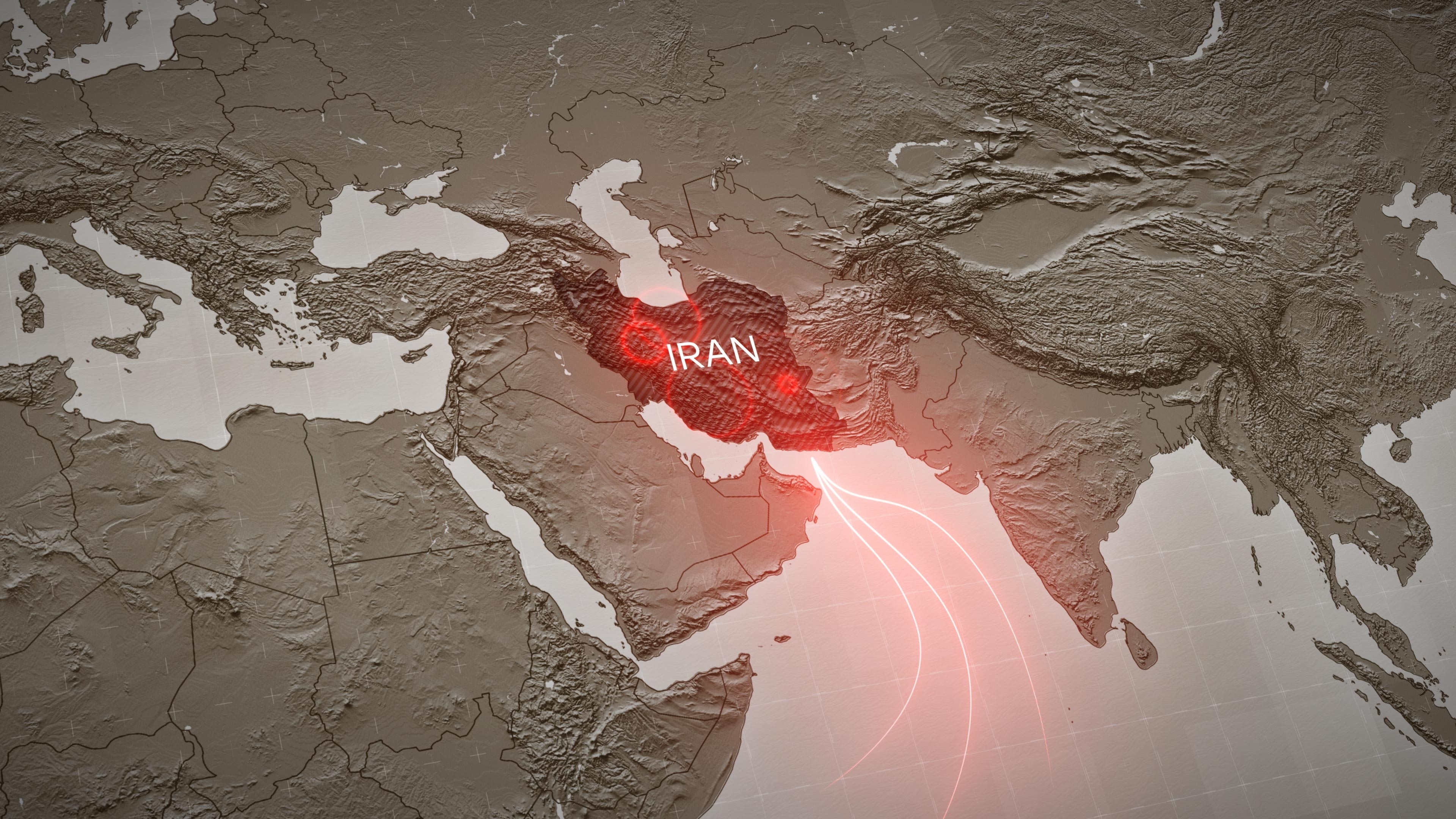
Geopolitical tensions can also disrupt international trade routes and logistics networks. Shipping routes through the Middle East, including key passages such as the Strait of Hormuz and routes connected to the Suez Canal, are critical to global trade.
Any disruption to these routes can cause delays, increase shipping costs, and reduce the availability of materials imported into the UK.
For the construction industry, which relies on a global supply chain for products ranging from steel to electrical components, such disruptions can lead to longer lead times and higher procurement costs.
Businesses may also need to seek alternative suppliers or transport routes, which can further increase costs and complicate project planning.
Wider Economic Effects
Beyond direct impacts on materials and energy, geopolitical instability can also affect the broader economic environment.
Rising oil prices can contribute to higher inflation, which in turn may influence interest rates and investment levels. Increased borrowing costs can make it more expensive to finance construction projects, particularly large infrastructure or commercial developments.
Economic uncertainty may also lead investors and developers to delay or reconsider projects until market conditions become clearer. Analysts note that the construction sector is particularly sensitive to shifts in economic confidence and financing conditions.
Potential Implications For UK Construction Firms
If tensions in the Middle East continue, UK construction businesses may need to prepare for several possible outcomes:
Higher operating costs, particularly for fuel, transport, and materials
Longer supply chains and delivery times for imported products
Greater price volatility, making project budgeting more difficult
Wider economic uncertainty, which could influence investment decisions
These factors may be particularly challenging for smaller contractors with limited capacity to absorb sudden cost increases.
Building Resilience In An Uncertain Environment
Although geopolitical events are outside the industry’s control, construction firms can take steps to reduce exposure to global shocks.
Potential strategies include:
diversifying supply chains
improving cost forecasting and procurement planning
investing in energy-efficient equipment and processes
building stronger relationships with domestic suppliers
While the long-term effects of the current tensions remain uncertain, the situation highlights how global events can quickly influence local industries.
The Middle East conflict is unlikely to affect UK construction directly in the short term. However, through energy markets, supply chains and broader economic pressures, geopolitical instability can still have meaningful consequences for the sector.
As global markets remain interconnected, construction firms in the UK will continue to monitor developments closely. The ability to manage cost volatility, maintain supply chain resilience and adapt procurement strategies may prove increasingly important in the months ahead.
Sources
BCIS – Middle East Conflict: What will the impact be on construction?
PBC Today – How are tensions in the Middle East affecting UK construction?
Construction Products Association commentary via Fix Radio
SME Today – Middle East Conflict: Impact on Global Supply Chains & SMEs
British Chambers of Commerce – Disruption inevitable if conflict sustained
Image source: Shutterstock